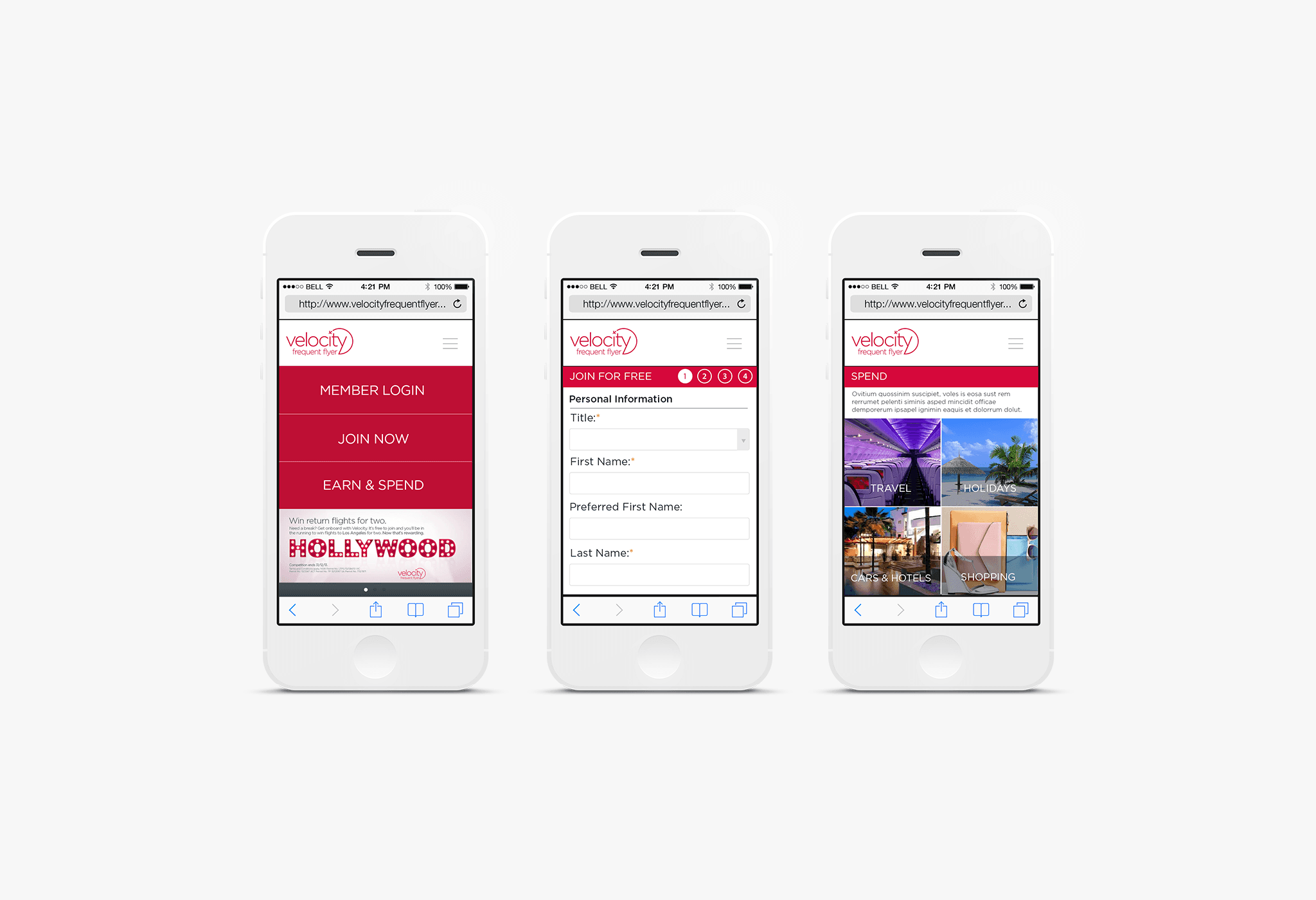
Elevating Velocity website experience to the next level

Industry
Airline
Client
Virgin Velocity
Velocity Frequent Flyer
Velocity Frequent Flyer
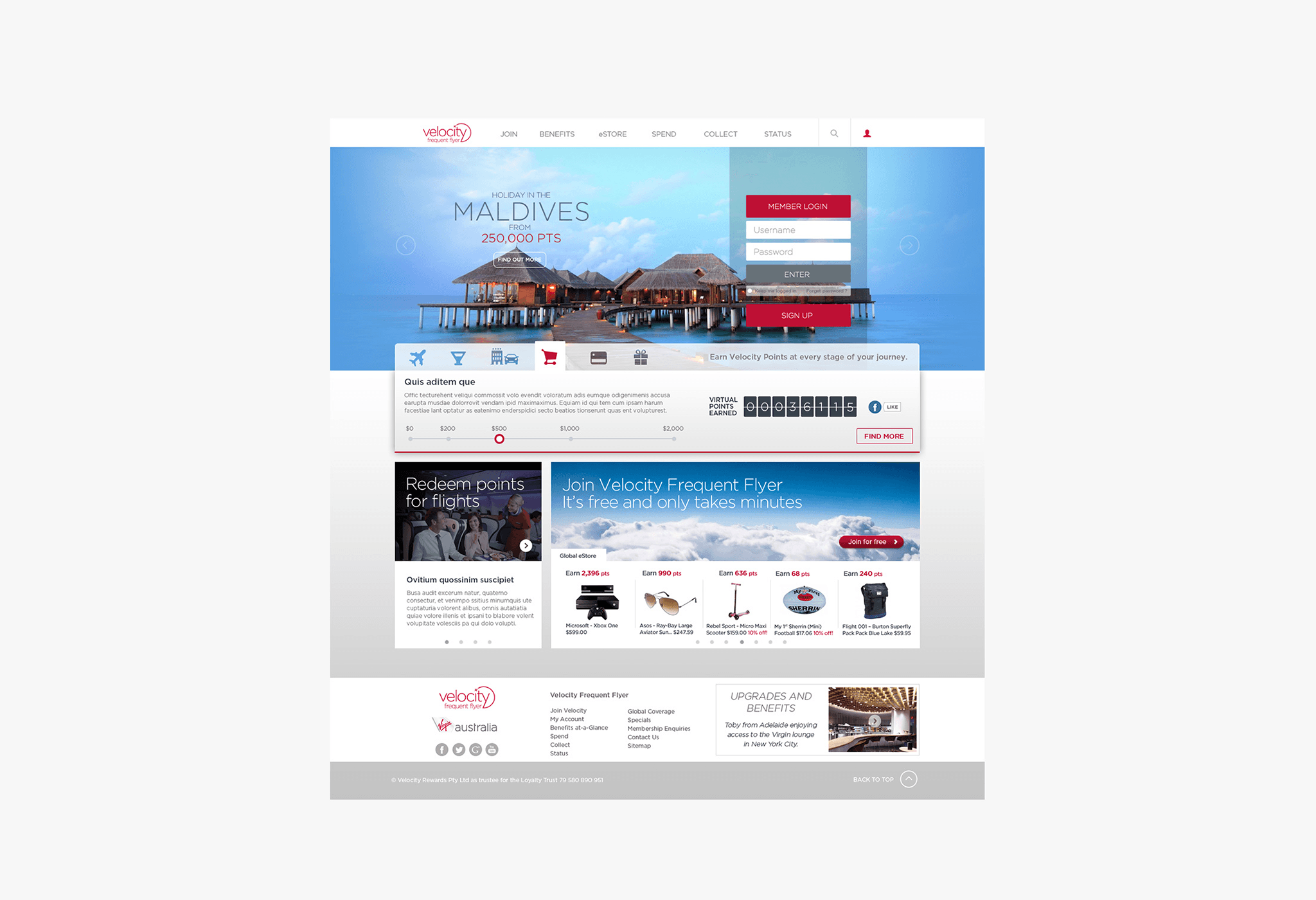
Helping Velocity redesign its web platform with an emphasis on Velocity e-commerce point system and a hybrid blend of user experience and visual design.
Helping Velocity redesign its web platform with an emphasis on Velocity e-commerce point system and a hybrid blend of user experience and visual design.
Project Overview
Challenge
For this project, I collaborated with the agency digital team to redesign and optimize the frequent flyer program website, which allowed users to redeem points for various rewards and services. My role involved conducting a comprehensive UX audit, establishing a feature and functionality matrix, and refining the information architecture to make the experience more intuitive and user-friendly.
The frequent flyer program website had several critical usability issues that impacted the overall user experience, including:
Accessibility Issues: The site didn’t meet accessibility standards, making it difficult for users with disabilities to navigate and interact with key features, such as the points redemption flow and reward categories.
Non-Responsive Design: The website wasn’t optimised for mobile, meaning that users on smartphones or tablets struggled to navigate, which resulted in a high bounce rate from mobile users.
Overwhelming Advertisements: The site was cluttered with too many prominent ads that distracted users from the key tasks - such as redeeming their points or browsing rewards. This created friction in the user journey, making users feel frustrated and disengaged.
Information Hierarchy Issues: The content was poorly organised, making it difficult for users to understand how to earn and redeem points, as well as how to browse the various rewards available. Important features were hidden behind a disorganised navigation, causing confusion and frustration.
These combined issues resulted in a frustrating user experience, leading to low user engagement. The challenge was to address these issues by improving the site’s usability, clarity, and accessibility, while aligning it with modern design standards.
Challenge
For this project, I collaborated with the agency digital team to redesign and optimize the frequent flyer program website, which allowed users to redeem points for various rewards and services. My role involved conducting a comprehensive UX audit, establishing a feature and functionality matrix, and refining the information architecture to make the experience more intuitive and user-friendly.
The frequent flyer program website had several critical usability issues that impacted the overall user experience, including:
Accessibility Issues: The site didn’t meet accessibility standards, making it difficult for users with disabilities to navigate and interact with key features, such as the points redemption flow and reward categories.
Non-Responsive Design: The website wasn’t optimised for mobile, meaning that users on smartphones or tablets struggled to navigate, which resulted in a high bounce rate from mobile users.
Overwhelming Advertisements: The site was cluttered with too many prominent ads that distracted users from the key tasks - such as redeeming their points or browsing rewards. This created friction in the user journey, making users feel frustrated and disengaged.
Information Hierarchy Issues: The content was poorly organised, making it difficult for users to understand how to earn and redeem points, as well as how to browse the various rewards available. Important features were hidden behind a disorganised navigation, causing confusion and frustration.
These combined issues resulted in a frustrating user experience, leading to low user engagement. The challenge was to address these issues by improving the site’s usability, clarity, and accessibility, while aligning it with modern design standards.
Challenge
For this project, I collaborated with the agency digital team to redesign and optimize the frequent flyer program website, which allowed users to redeem points for various rewards and services. My role involved conducting a comprehensive UX audit, establishing a feature and functionality matrix, and refining the information architecture to make the experience more intuitive and user-friendly.
The frequent flyer program website had several critical usability issues that impacted the overall user experience, including:
Accessibility Issues: The site didn’t meet accessibility standards, making it difficult for users with disabilities to navigate and interact with key features, such as the points redemption flow and reward categories.
Non-Responsive Design: The website wasn’t optimised for mobile, meaning that users on smartphones or tablets struggled to navigate, which resulted in a high bounce rate from mobile users.
Overwhelming Advertisements: The site was cluttered with too many prominent ads that distracted users from the key tasks - such as redeeming their points or browsing rewards. This created friction in the user journey, making users feel frustrated and disengaged.
Information Hierarchy Issues: The content was poorly organised, making it difficult for users to understand how to earn and redeem points, as well as how to browse the various rewards available. Important features were hidden behind a disorganised navigation, causing confusion and frustration.
These combined issues resulted in a frustrating user experience, leading to low user engagement. The challenge was to address these issues by improving the site’s usability, clarity, and accessibility, while aligning it with modern design standards.
Project Overview
UX Audit
To kick off the project, I conducted a UX audit of the existing website to evaluate its strengths and weaknesses. I analysed key areas such as:
User Flow: How easy is it for users to complete tasks (e.g., checking points, viewing rewards, redeeming points)?
Content Hierarchy: Is the most important content being prioritised? Are users able to quickly access high-value features like rewards catalogue and points balance?
Usability: How intuitive and consistent is the design? Are there roadblocks that prevent users from successfully completing tasks?
Competitor Benchmarking: I also reviewed other frequent flyer and reward program websites to identify industry best practices and gather inspiration.
UX Audit
To kick off the project, I conducted a UX audit of the existing website to evaluate its strengths and weaknesses. I analysed key areas such as:
User Flow: How easy is it for users to complete tasks (e.g., checking points, viewing rewards, redeeming points)?
Content Hierarchy: Is the most important content being prioritised? Are users able to quickly access high-value features like rewards catalogue and points balance?
Usability: How intuitive and consistent is the design? Are there roadblocks that prevent users from successfully completing tasks?
Competitor Benchmarking: I also reviewed other frequent flyer and reward program websites to identify industry best practices and gather inspiration.
UX Audit
To kick off the project, I conducted a UX audit of the existing website to evaluate its strengths and weaknesses. I analysed key areas such as:
User Flow: How easy is it for users to complete tasks (e.g., checking points, viewing rewards, redeeming points)?
Content Hierarchy: Is the most important content being prioritised? Are users able to quickly access high-value features like rewards catalogue and points balance?
Usability: How intuitive and consistent is the design? Are there roadblocks that prevent users from successfully completing tasks?
Competitor Benchmarking: I also reviewed other frequent flyer and reward program websites to identify industry best practices and gather inspiration.
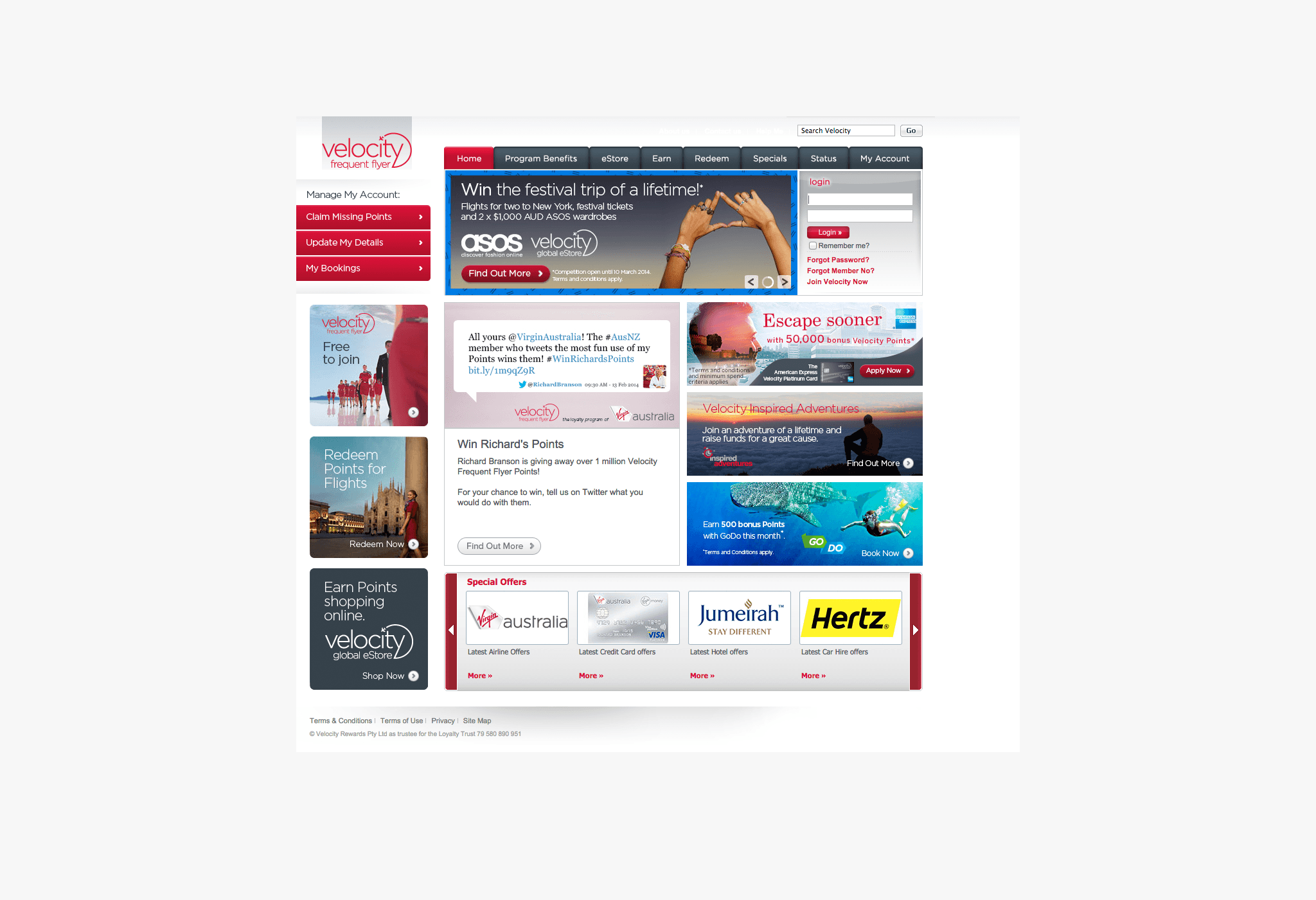
Existing Website
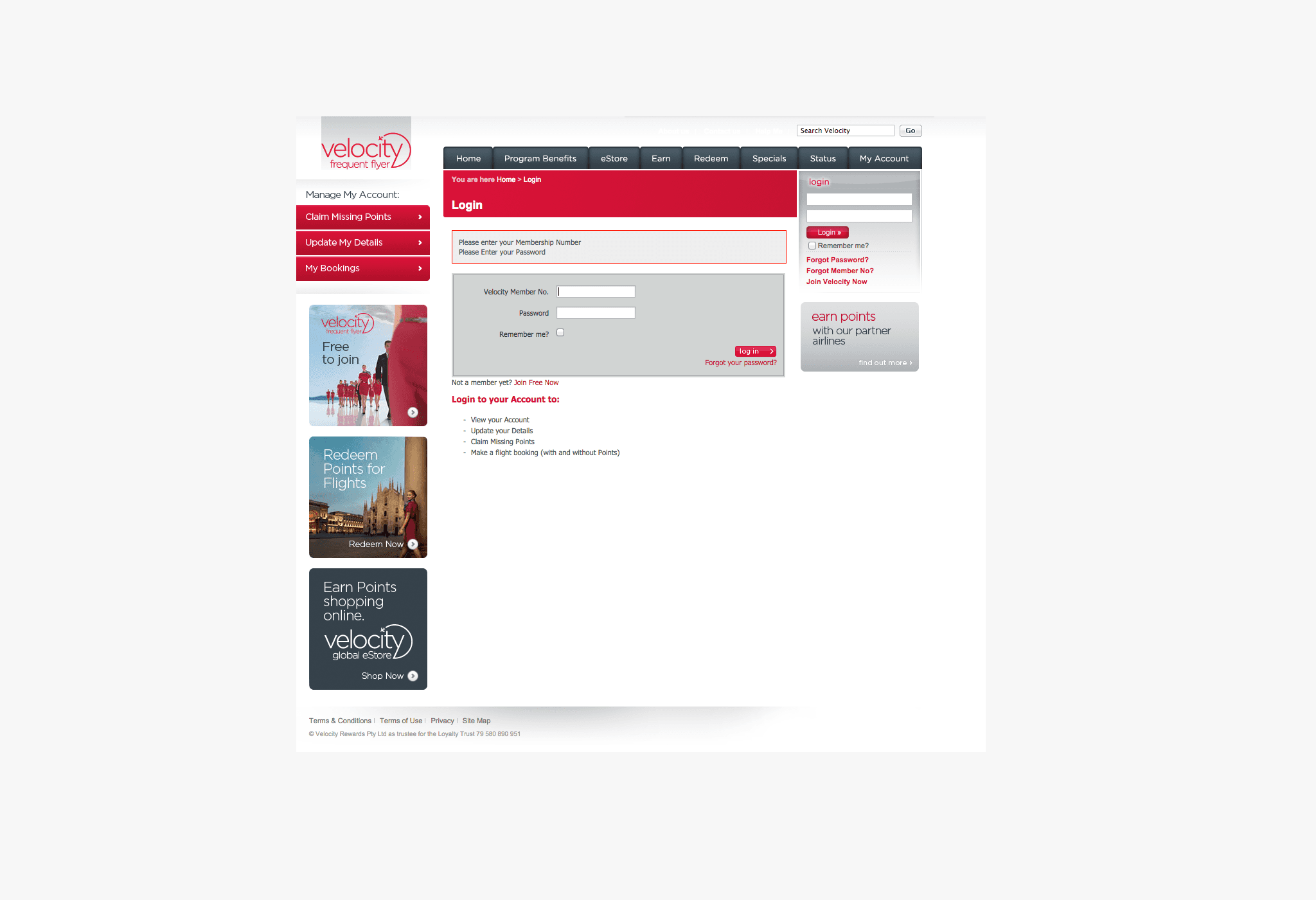
Existing Website
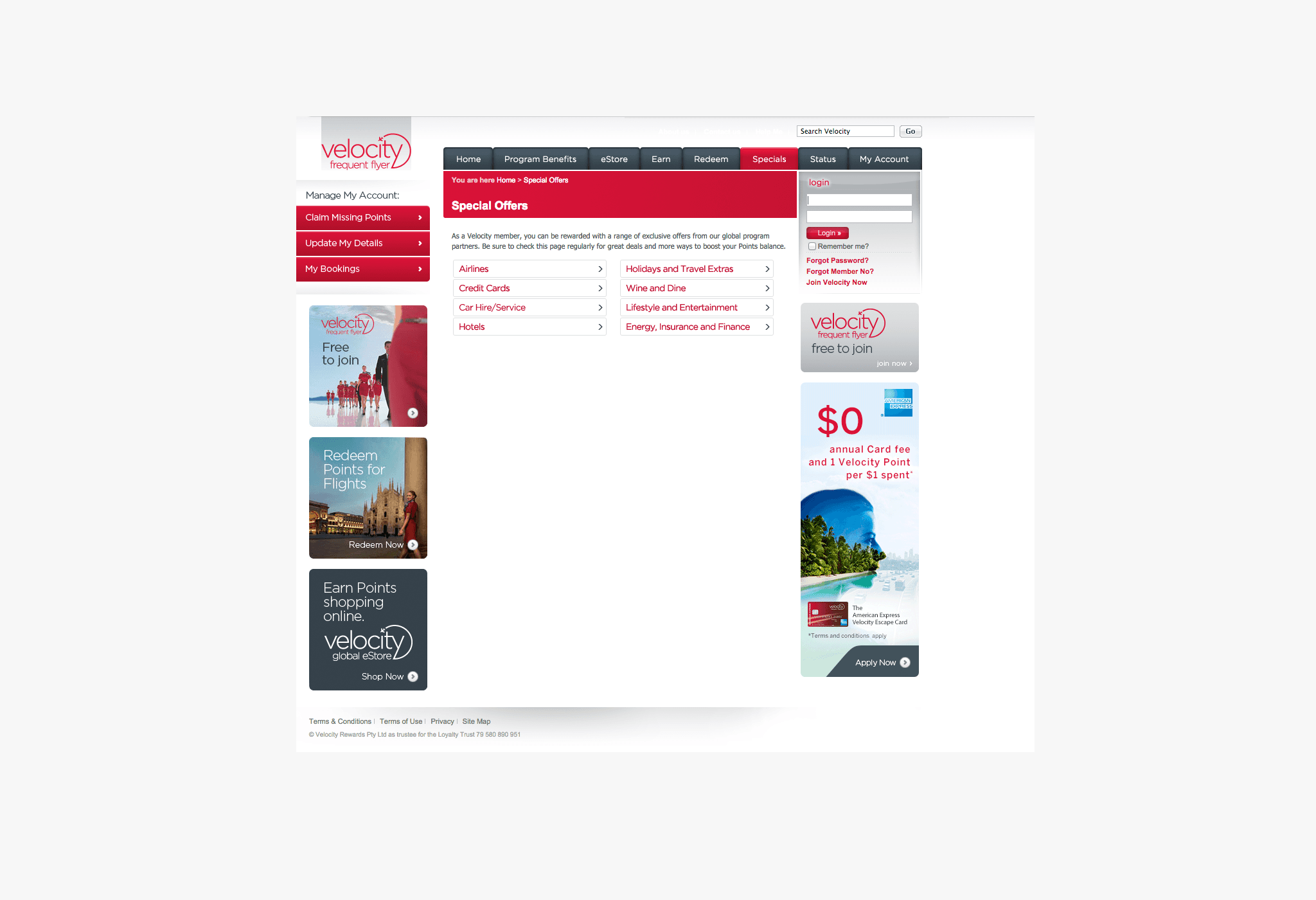
Existing Website
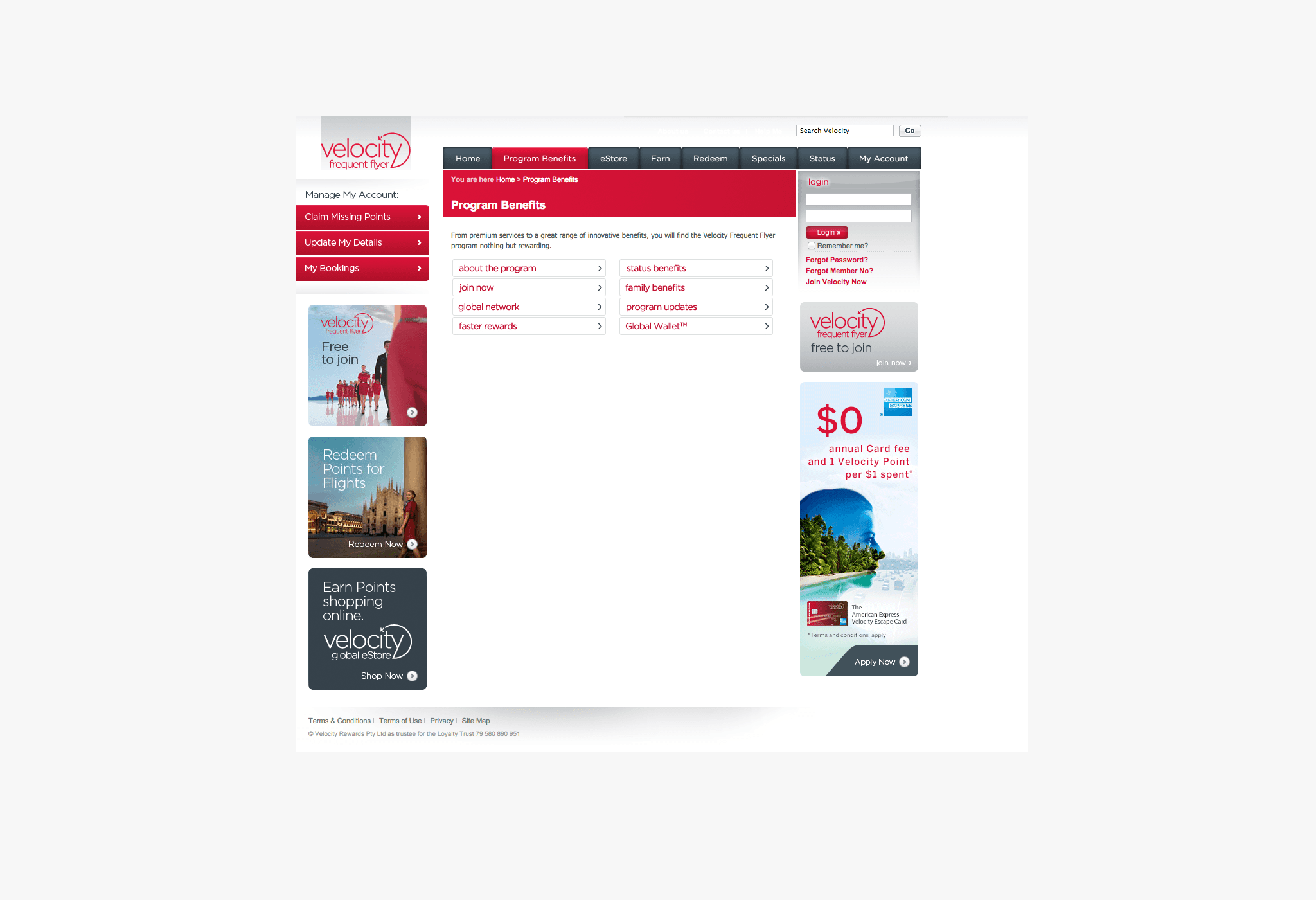
Existing Website
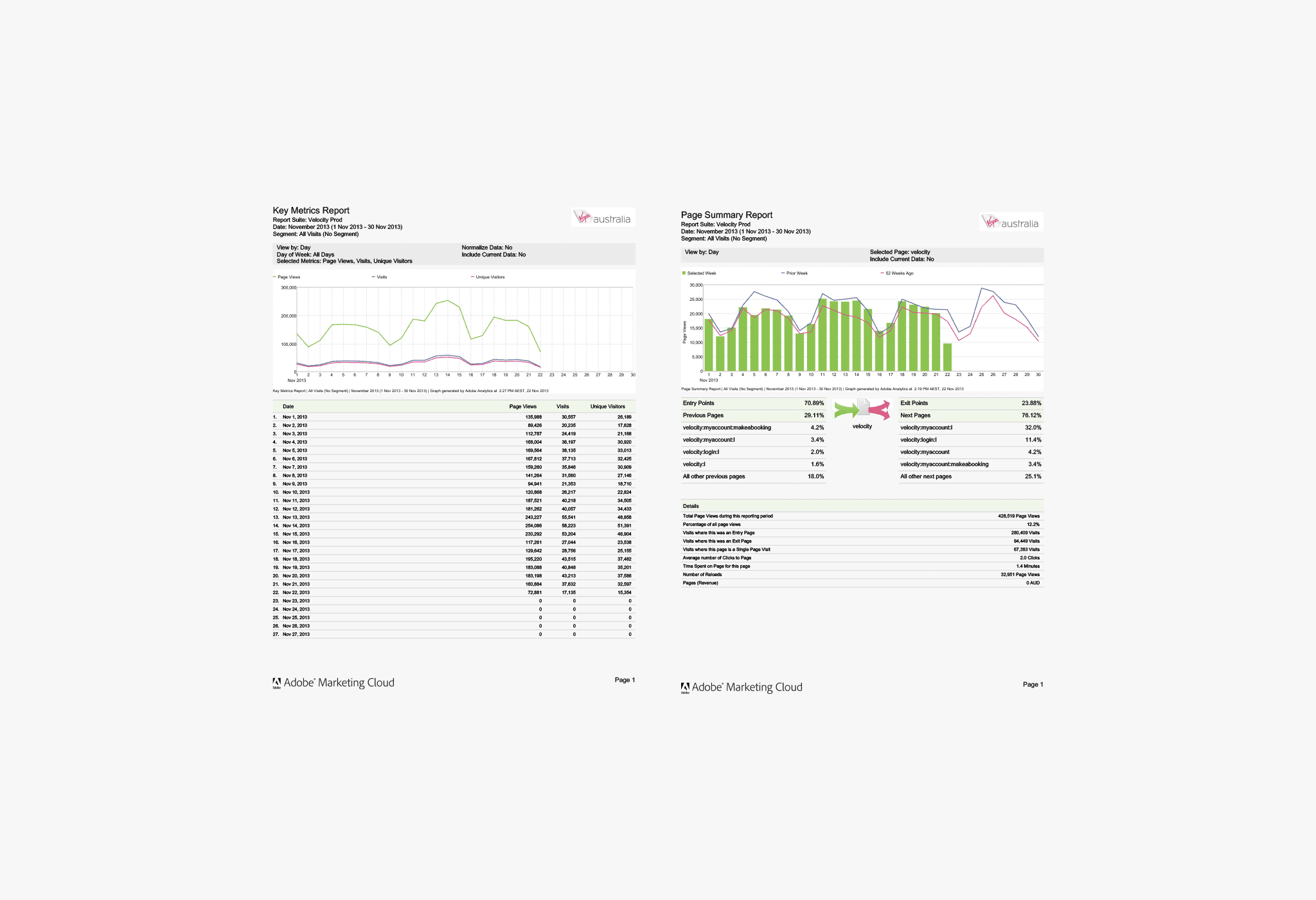
Existing Website
Existing Website
Existing Website
Existing Website
Existing Website
Existing Website
Existing Website
Existing Website
Existing Website
Existing Website
Existing Website
Existing Website
Existing Website
Existing Website
Existing Website
Existing Website
Existing Website
Existing Website
Existing Website
Existing Website
Existing Website
Existing Website
Existing Website
Existing Website
Existing Website
Existing Website
Existing Website
Existing Website
Existing Website
Existing Website
Existing Website
Existing Website
Existing Website
Existing Website
Existing Website
Existing Website
Existing Website
Existing Website
Existing Website
Existing Website
Existing Website
Existing Website
Existing Website
Existing Website
Existing Website
Existing Website
Existing Website
Existing Website
Existing Website
Existing Website
Existing Website
Existing Website
Existing Website
Existing Website
Existing Website
Existing Website
Project Overview
Key Insights
Based on my audit, I identified a few key issues and thoughts that needed to be addressed:
Navigation issues: Users struggled to navigate between key sections like redeeming points, checking points balance, and browsing rewards.
Complex information architecture: The content was not organised in a way that allowed users to easily understand how points were earned and how they could be spent.
Lack of visual hierarchy: Important features like redeeming points and high-value rewards were buried under less important content, leading to confusion.
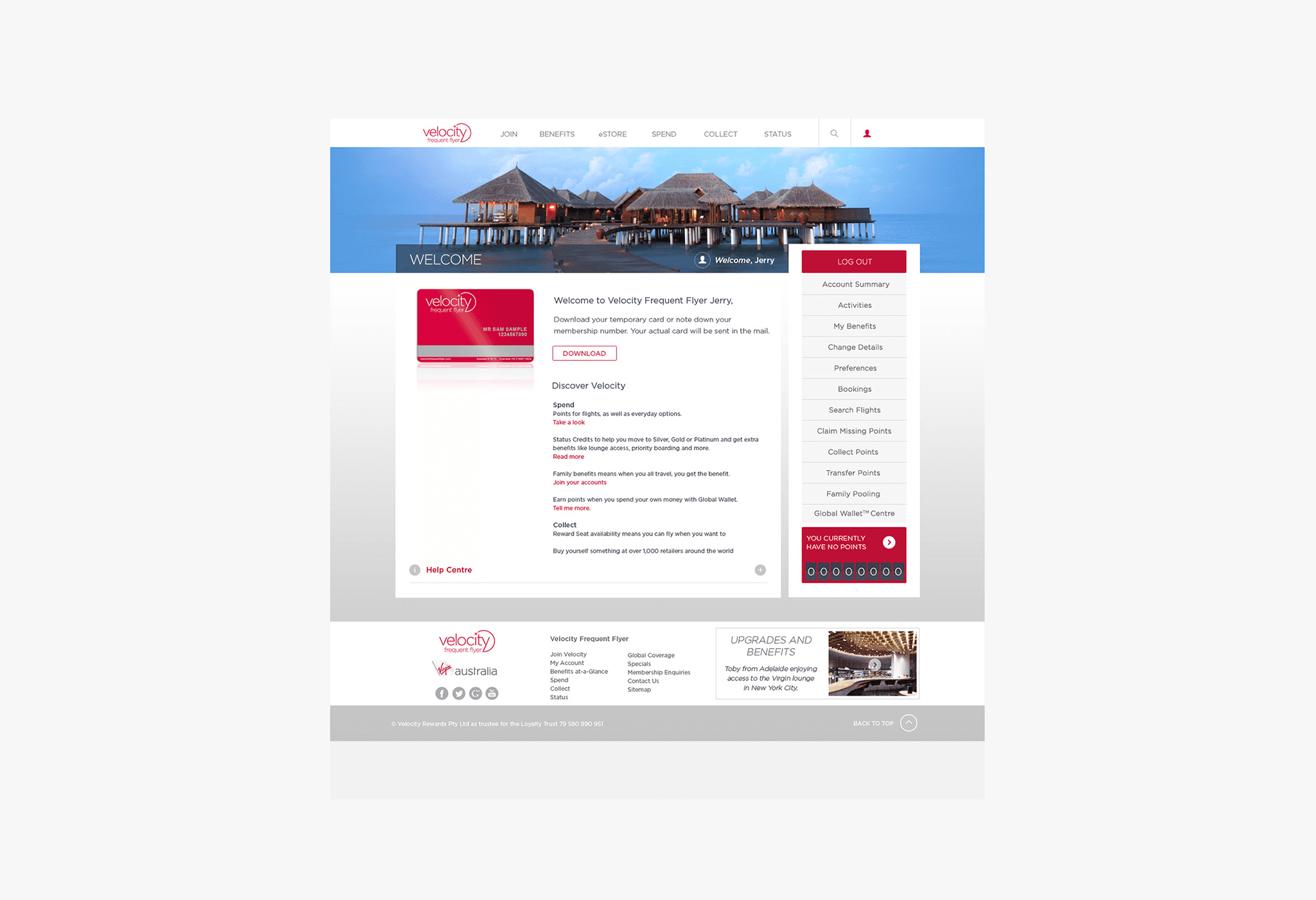
Points Balance: Displaying users’ points balance prominently on the homepage and throughout the user journey.
Rewards Catalogue: Creating an easy-to-browse catalogue of available rewards with clear point values for each item.
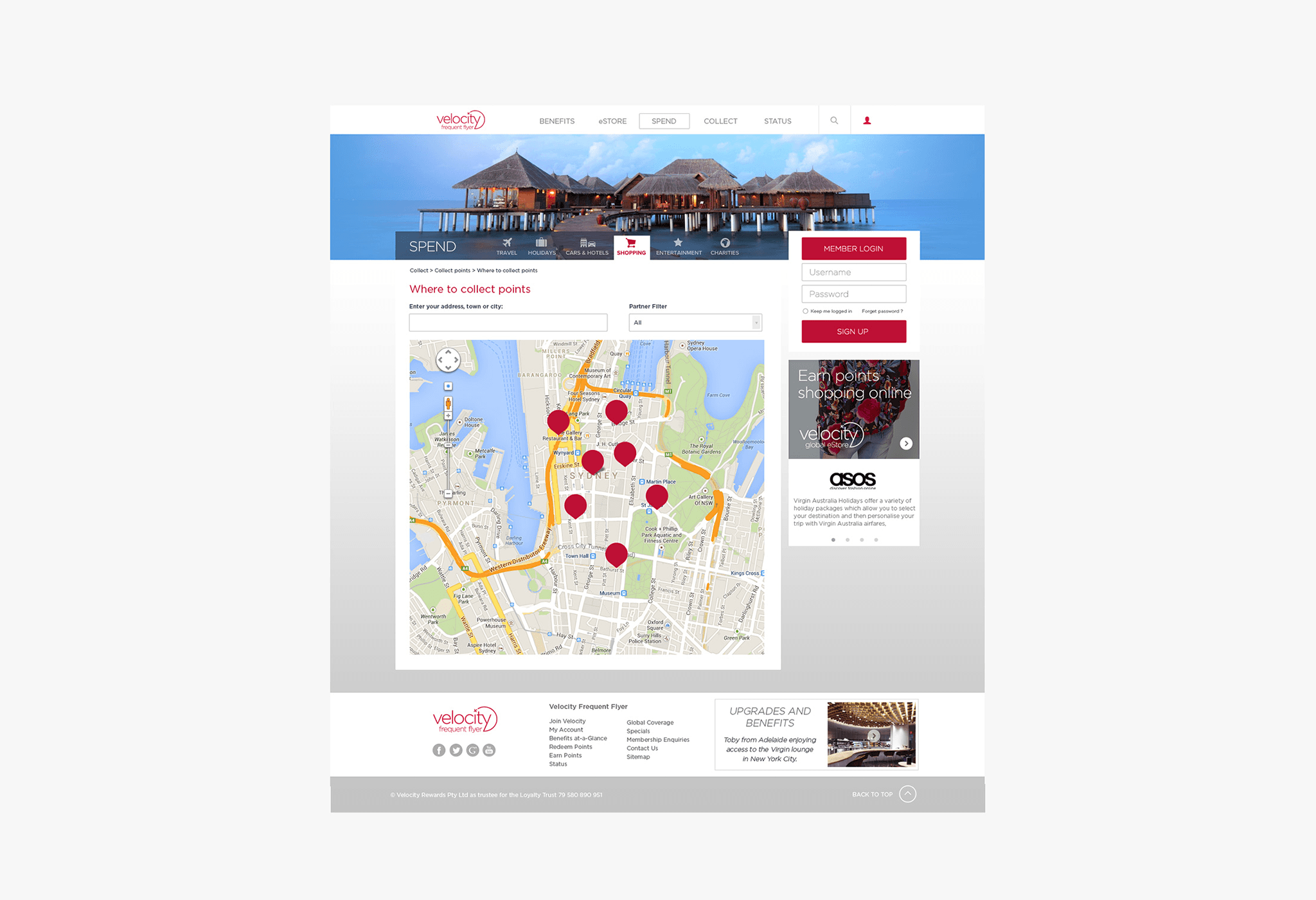
Search and Filter Options: Allowing users to search and filter rewards by category, point value, and rewards type (e.g., travel, merchandise, exclusive experiences).
Redemption Flow: Simplifying the process of redeeming points by reducing the number of steps required and making the flow more intuitive.
Key Insights
Based on my audit, I identified a few key issues and thoughts that needed to be addressed:
Navigation issues: Users struggled to navigate between key sections like redeeming points, checking points balance, and browsing rewards.
Complex information architecture: The content was not organised in a way that allowed users to easily understand how points were earned and how they could be spent.
Lack of visual hierarchy: Important features like redeeming points and high-value rewards were buried under less important content, leading to confusion.
Points Balance: Displaying users’ points balance prominently on the homepage and throughout the user journey.
Rewards Catalogue: Creating an easy-to-browse catalogue of available rewards with clear point values for each item.
Search and Filter Options: Allowing users to search and filter rewards by category, point value, and rewards type (e.g., travel, merchandise, exclusive experiences).
Redemption Flow: Simplifying the process of redeeming points by reducing the number of steps required and making the flow more intuitive.
Key Insights
Based on my audit, I identified a few key issues and thoughts that needed to be addressed:
Navigation issues: Users struggled to navigate between key sections like redeeming points, checking points balance, and browsing rewards.
Complex information architecture: The content was not organised in a way that allowed users to easily understand how points were earned and how they could be spent.
Lack of visual hierarchy: Important features like redeeming points and high-value rewards were buried under less important content, leading to confusion.
Points Balance: Displaying users’ points balance prominently on the homepage and throughout the user journey.
Rewards Catalogue: Creating an easy-to-browse catalogue of available rewards with clear point values for each item.
Search and Filter Options: Allowing users to search and filter rewards by category, point value, and rewards type (e.g., travel, merchandise, exclusive experiences).
Redemption Flow: Simplifying the process of redeeming points by reducing the number of steps required and making the flow more intuitive.
Project Overview
Information Architecture & Content Hierarchy
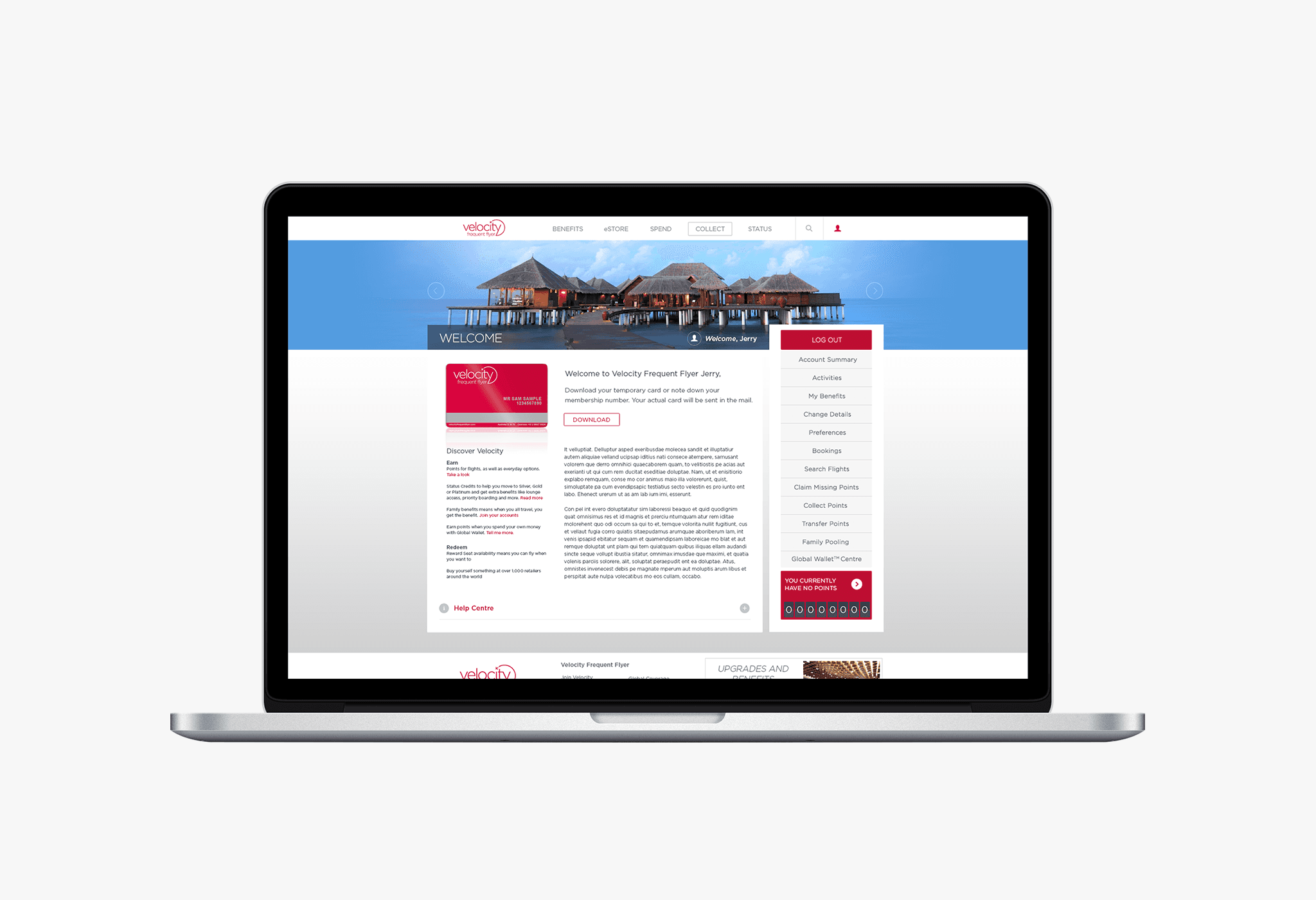
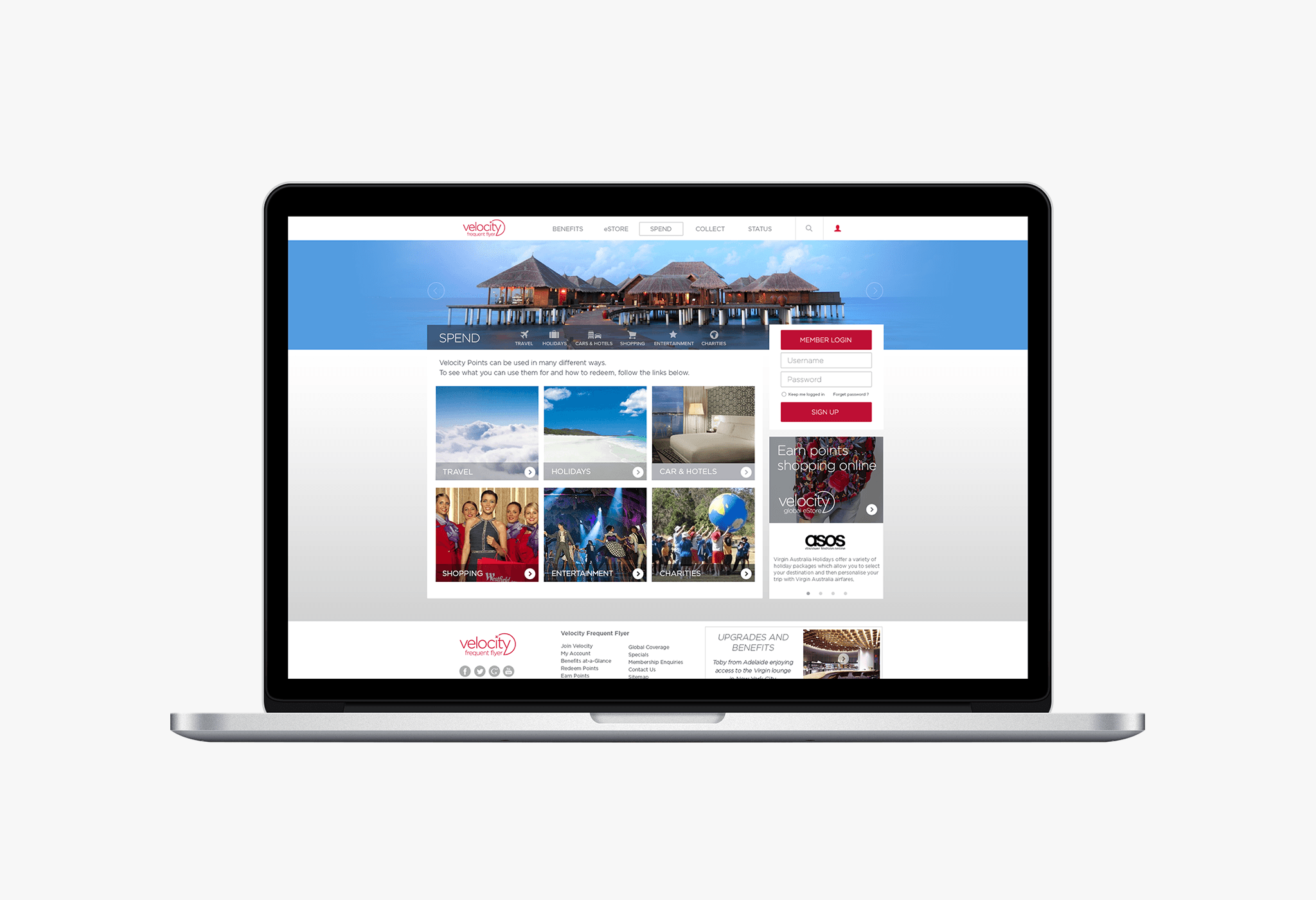
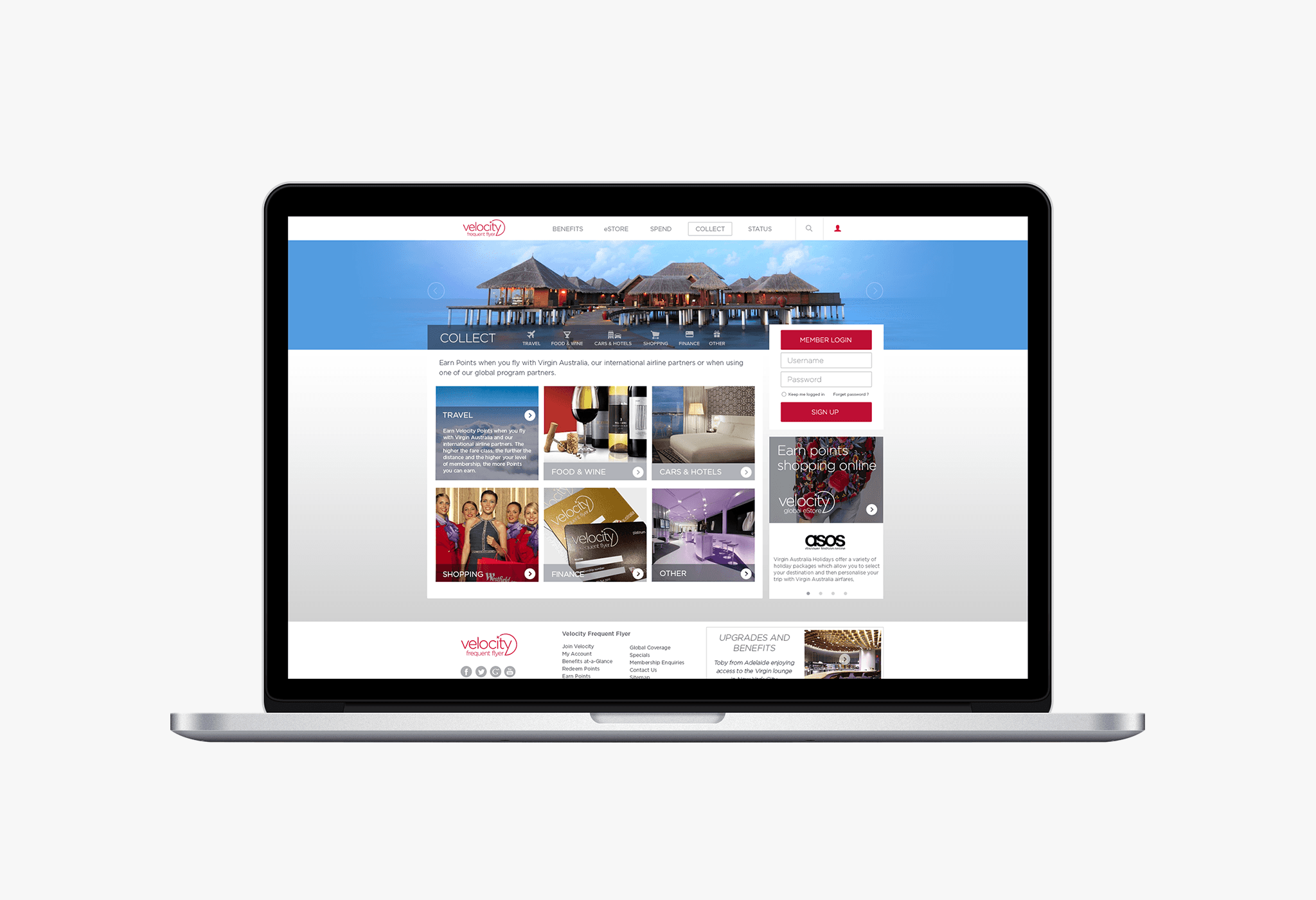
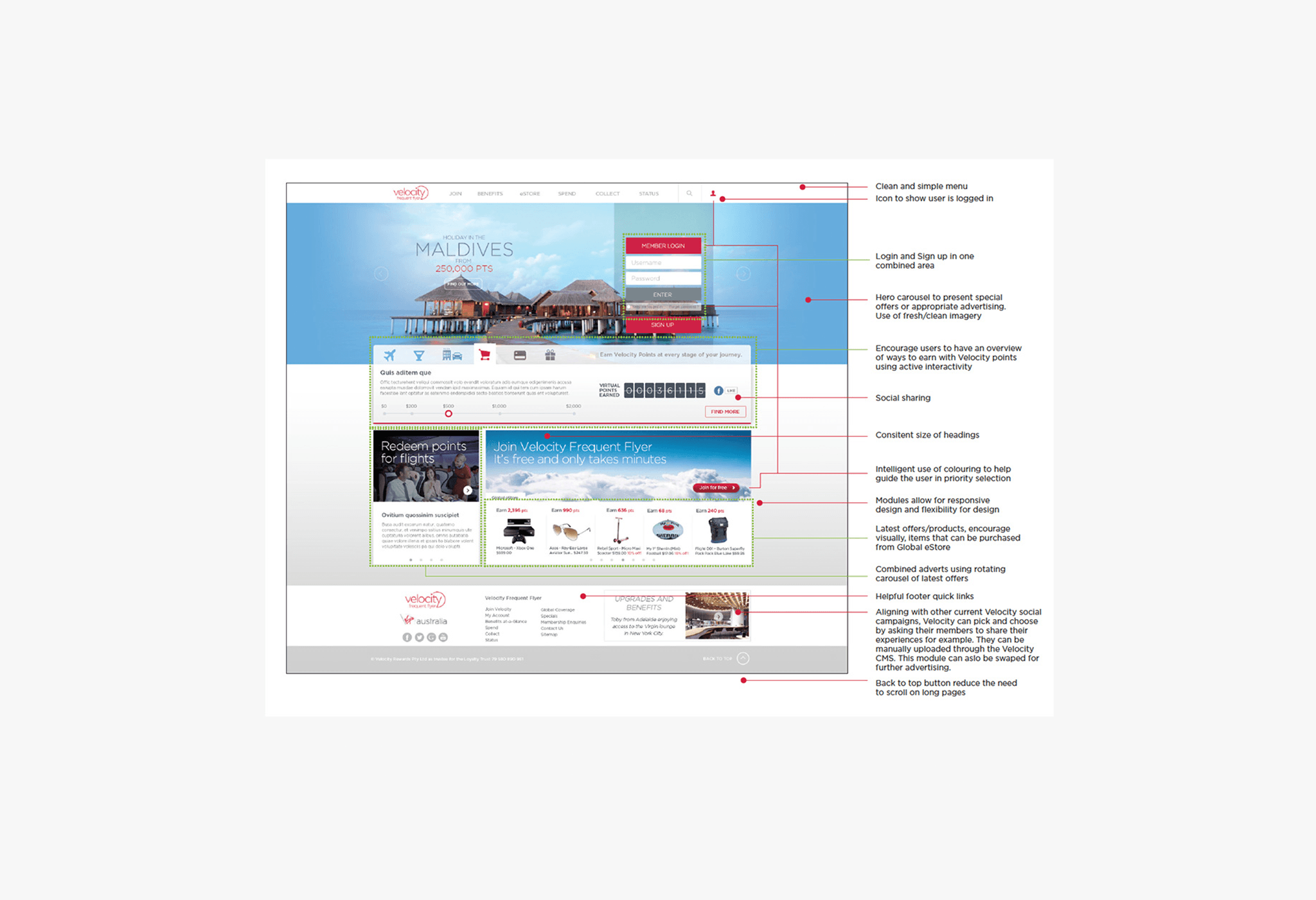
I worked on redefining the information architecture by restructuring the navigation and content. Key changes included:
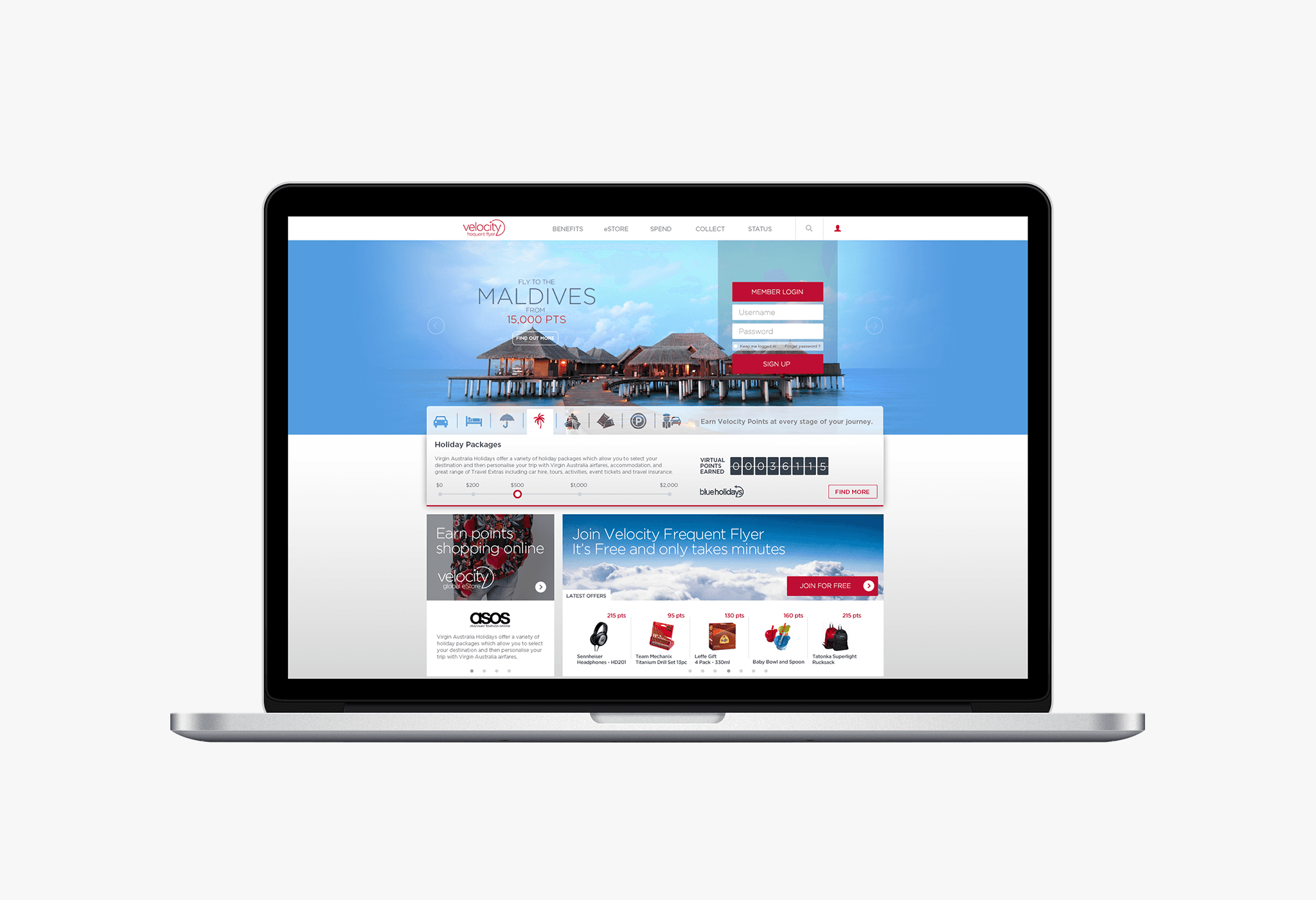
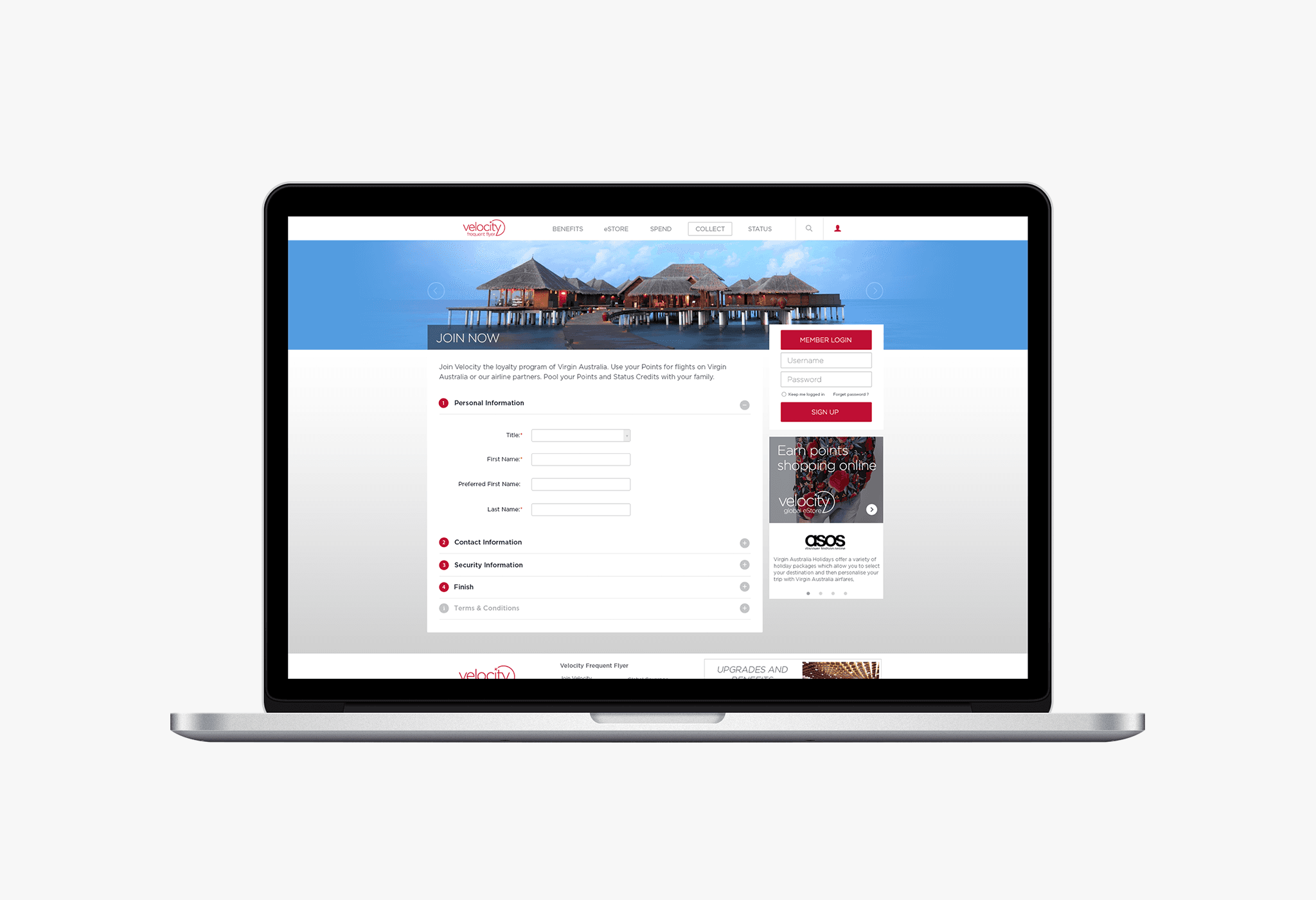
Main Menu Simplification: Reorganizing the top-level menu to make essential features like view points balance, browse rewards, and redeem points more easily accessible.
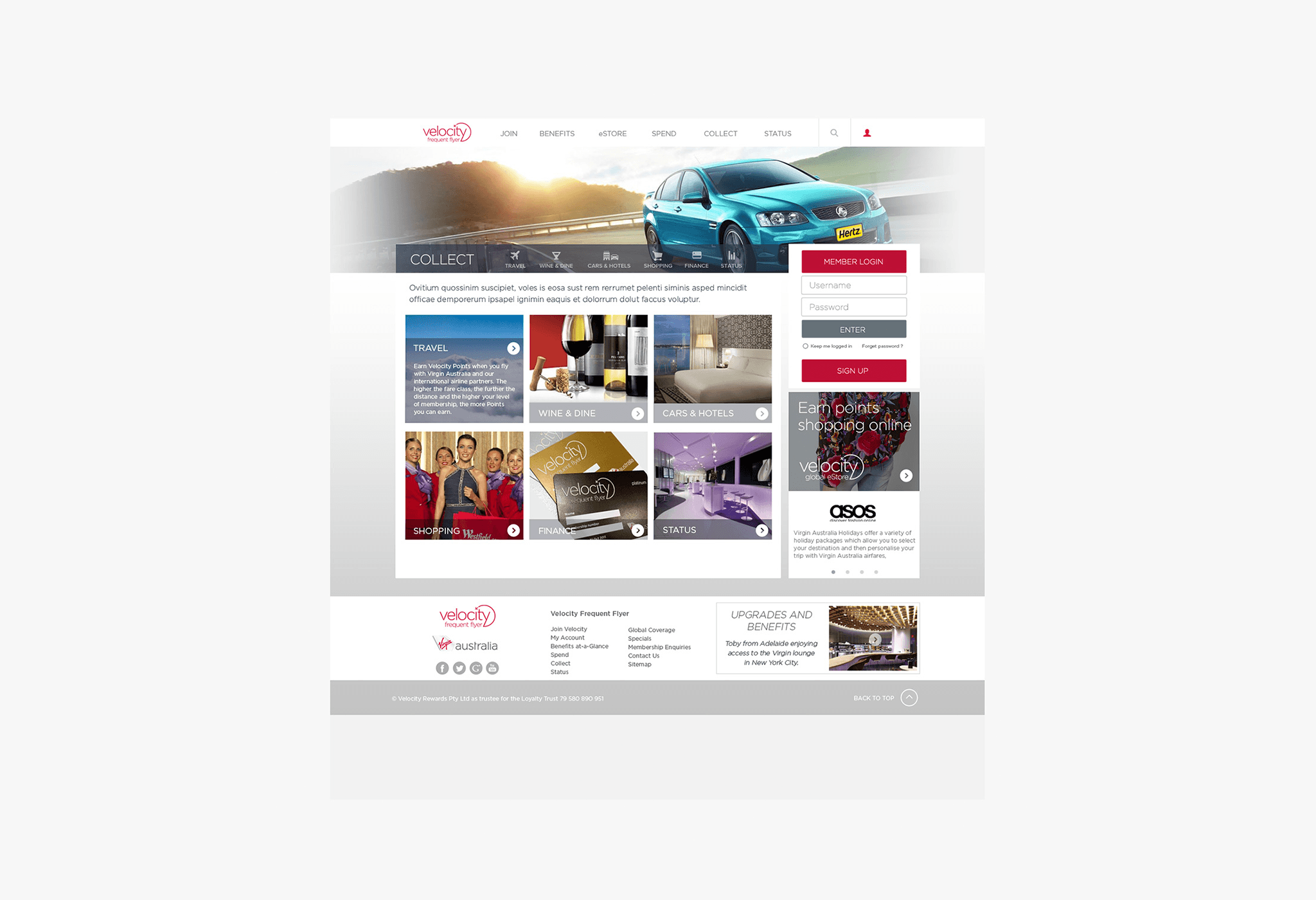
Clearer Reward Categories: Organizing rewards into distinct categories (e.g., Flights, Hotel Stays, Experiences, Merchandise) to make it easier for users to find what they were looking for.
Prominent Call-to-Actions (CTAs): Using visual hierarchy to highlight important actions (like redeeming points) through prominent buttons and CTAs.
Information Architecture & Content Hierarchy
I worked on redefining the information architecture by restructuring the navigation and content. Key changes included:
Main Menu Simplification: Reorganizing the top-level menu to make essential features like view points balance, browse rewards, and redeem points more easily accessible.
Clearer Reward Categories: Organizing rewards into distinct categories (e.g., Flights, Hotel Stays, Experiences, Merchandise) to make it easier for users to find what they were looking for.
Prominent Call-to-Actions (CTAs): Using visual hierarchy to highlight important actions (like redeeming points) through prominent buttons and CTAs.
Information Architecture & Content Hierarchy
I worked on redefining the information architecture by restructuring the navigation and content. Key changes included:
Main Menu Simplification: Reorganizing the top-level menu to make essential features like view points balance, browse rewards, and redeem points more easily accessible.
Clearer Reward Categories: Organizing rewards into distinct categories (e.g., Flights, Hotel Stays, Experiences, Merchandise) to make it easier for users to find what they were looking for.
Prominent Call-to-Actions (CTAs): Using visual hierarchy to highlight important actions (like redeeming points) through prominent buttons and CTAs.
Visual Design & User Interface
I maintained a clean, visually appealing design with an emphasis on high contrast for key actions (such as redeeming points) and large, engaging images of rewards.
I designed clear icons and progress bars for users to easily track their points accumulation and redemption process.
The use of consistent typography and color-coding helped establish a visual hierarchy, making it easy for users to scan the page and quickly locate critical information.
Visual Design & User Interface
I maintained a clean, visually appealing design with an emphasis on high contrast for key actions (such as redeeming points) and large, engaging images of rewards.
I designed clear icons and progress bars for users to easily track their points accumulation and redemption process.
The use of consistent typography and color-coding helped establish a visual hierarchy, making it easy for users to scan the page and quickly locate critical information.
Visual Design & User Interface
I maintained a clean, visually appealing design with an emphasis on high contrast for key actions (such as redeeming points) and large, engaging images of rewards.
I designed clear icons and progress bars for users to easily track their points accumulation and redemption process.
The use of consistent typography and color-coding helped establish a visual hierarchy, making it easy for users to scan the page and quickly locate critical information.