Origin Energy

Industry
Energy
Client
Origin Energy

Energy management, reimagined. Wherever you are.
Energy management, reimagined. Wherever you are.
Origin Energy provides intuitive digital tools that help customers understand, manage, and reduce their energy footprint. Designed with simplicity and sustainability in mind, Origin’s platform makes it easy to monitor usage, explore cleaner energy options, and take meaningful steps toward a more sustainable lifestyle.
Origin Energy provides intuitive digital tools that help customers understand, manage, and reduce their energy footprint. Designed with simplicity and sustainability in mind, Origin’s platform makes it easy to monitor usage, explore cleaner energy options, and take meaningful steps toward a more sustainable lifestyle.
Project Overview
Challenge
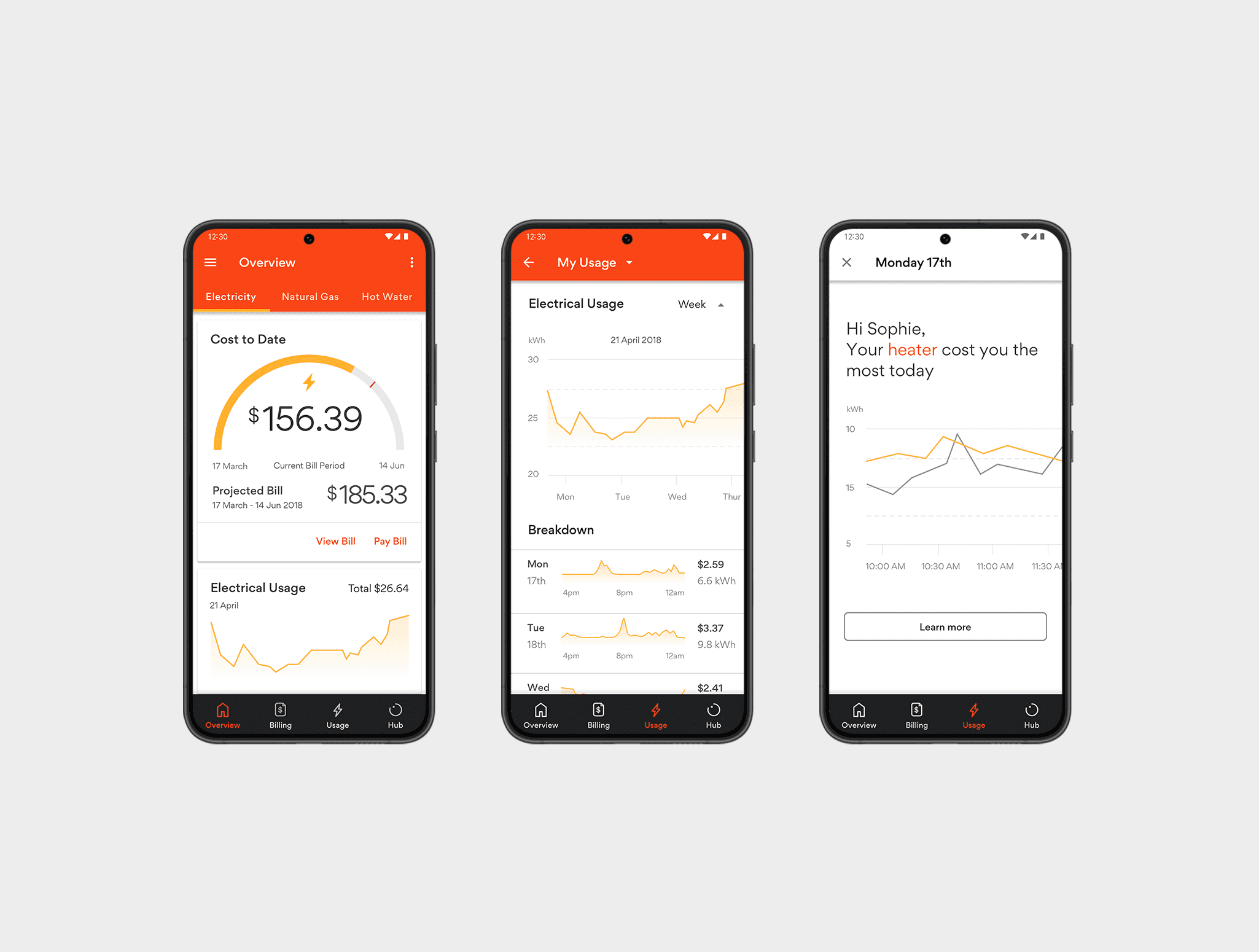
Origin Energy wanted to explore how their native iOS and Android experiences could be implemented in React Native. The key challenge was ensuring that apps retained platform-specific look, feel, and interaction patterns (iOS HIG, Material Design for Android) while working within React Native’s component framework. Stakeholders needed clarity on feasibility, compromises, and design adjustments before committing to development.
Approach
I created interactive prototypes in React Native for both iOS and Android, focusing on:
Mapping HIG and Material components to React Native equivalents
Testing layout, typography, gestures, and micro-interactions
Identifying areas where design adjustments were necessary for platform consistency
These prototypes allowed stakeholders to experience the designs first-hand, understand the limitations and opportunities of React Native, and make informed decisions about the mobile strategy.
Result
Provided a clear evaluation of React Native’s fidelity to native platforms
Highlighted areas requiring adjustments to maintain native-like experience
Served as a foundation for cross-platform design system development
Helped reduce design and development risks before implementation
Challenge
Origin Energy wanted to explore how their native iOS and Android experiences could be implemented in React Native. The key challenge was ensuring that apps retained platform-specific look, feel, and interaction patterns (iOS HIG, Material Design for Android) while working within React Native’s component framework. Stakeholders needed clarity on feasibility, compromises, and design adjustments before committing to development.
Approach
I created interactive prototypes in React Native for both iOS and Android, focusing on:
Mapping HIG and Material components to React Native equivalents
Testing layout, typography, gestures, and micro-interactions
Identifying areas where design adjustments were necessary for platform consistency
These prototypes allowed stakeholders to experience the designs first-hand, understand the limitations and opportunities of React Native, and make informed decisions about the mobile strategy.
Result
Provided a clear evaluation of React Native’s fidelity to native platforms
Highlighted areas requiring adjustments to maintain native-like experience
Served as a foundation for cross-platform design system development
Helped reduce design and development risks before implementation
Challenge
Origin Energy wanted to explore how their native iOS and Android experiences could be implemented in React Native. The key challenge was ensuring that apps retained platform-specific look, feel, and interaction patterns (iOS HIG, Material Design for Android) while working within React Native’s component framework. Stakeholders needed clarity on feasibility, compromises, and design adjustments before committing to development.
Approach
I created interactive prototypes in React Native for both iOS and Android, focusing on:
Mapping HIG and Material components to React Native equivalents
Testing layout, typography, gestures, and micro-interactions
Identifying areas where design adjustments were necessary for platform consistency
These prototypes allowed stakeholders to experience the designs first-hand, understand the limitations and opportunities of React Native, and make informed decisions about the mobile strategy.
Result
Provided a clear evaluation of React Native’s fidelity to native platforms
Highlighted areas requiring adjustments to maintain native-like experience
Served as a foundation for cross-platform design system development
Helped reduce design and development risks before implementation
Other Projects
Challenge
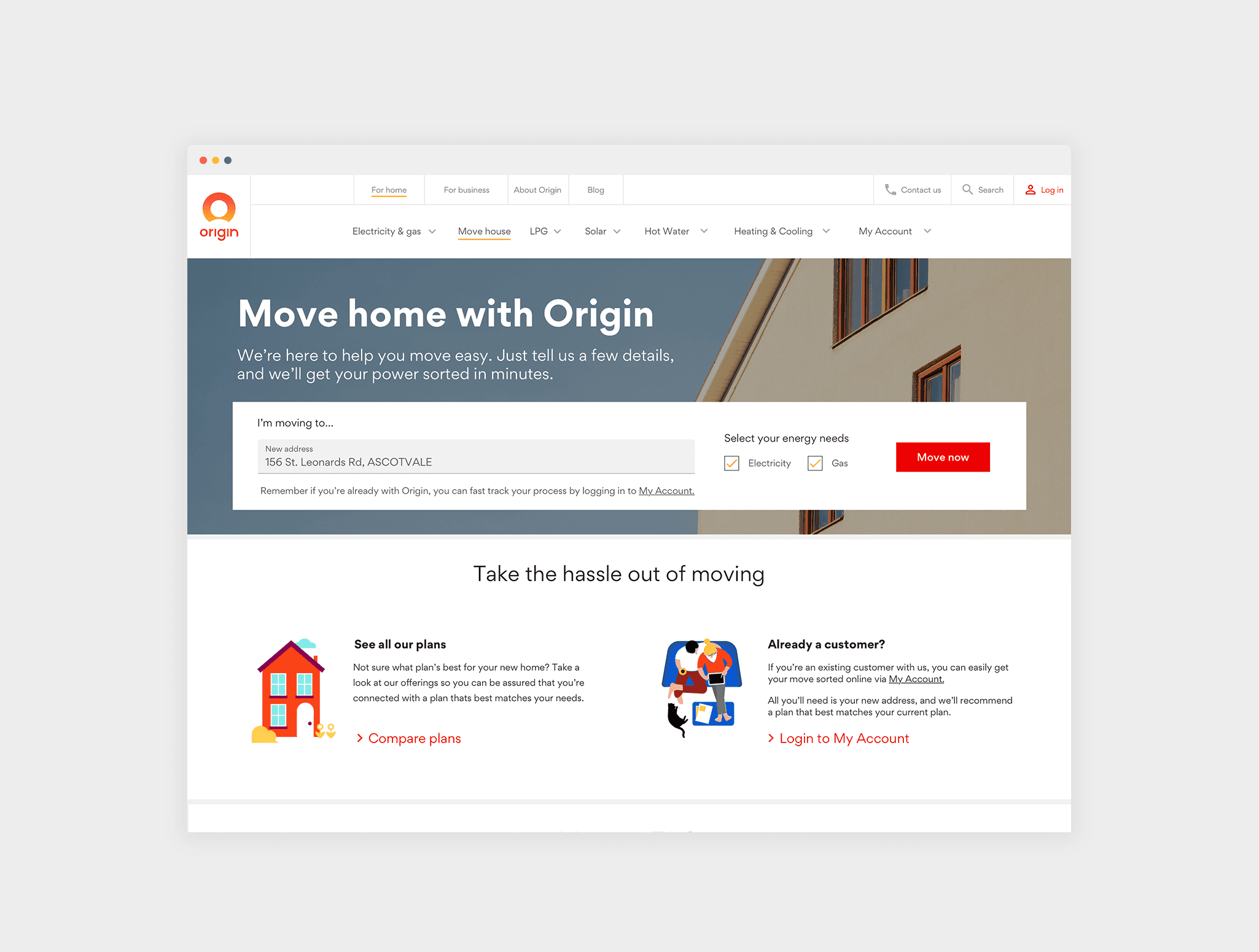
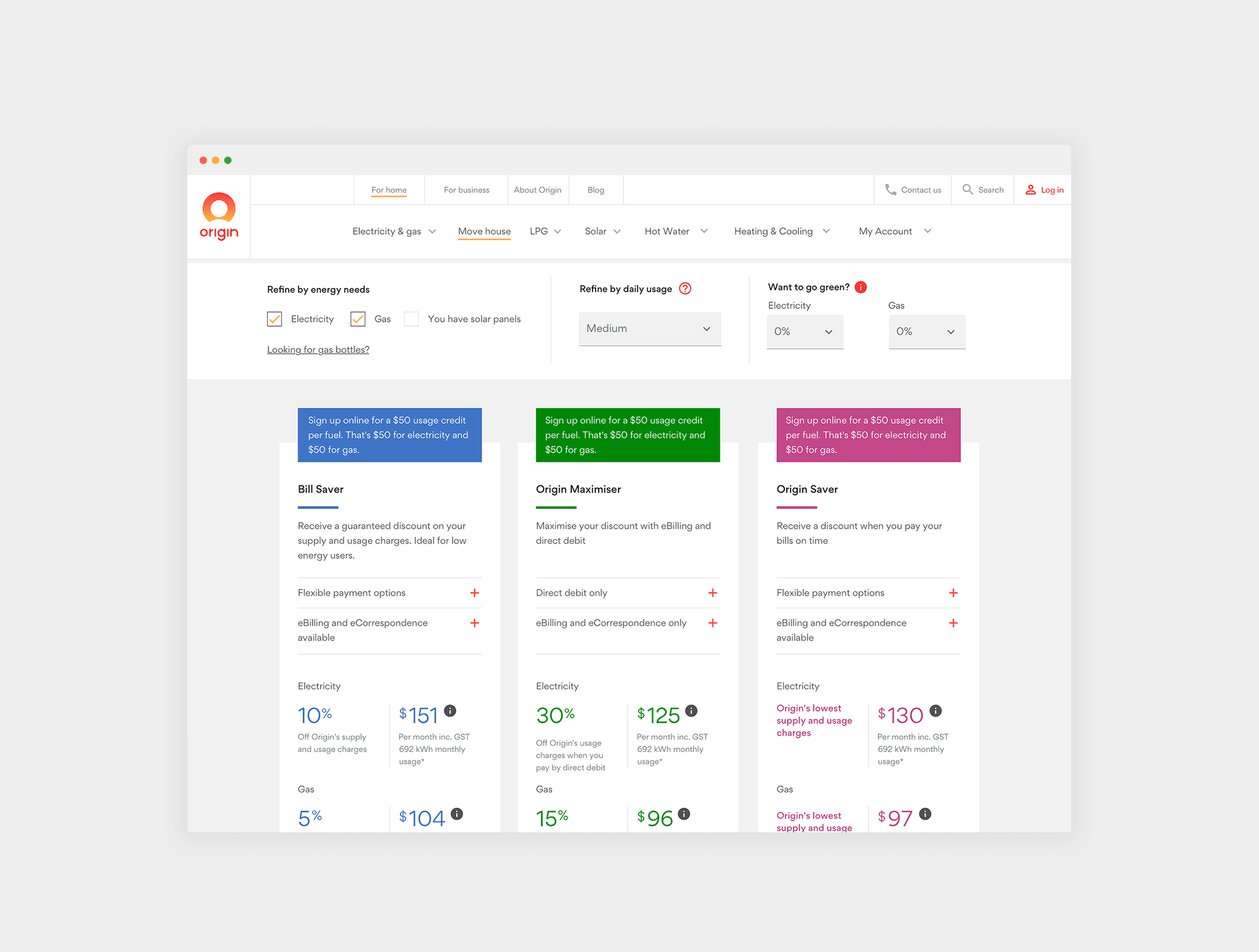
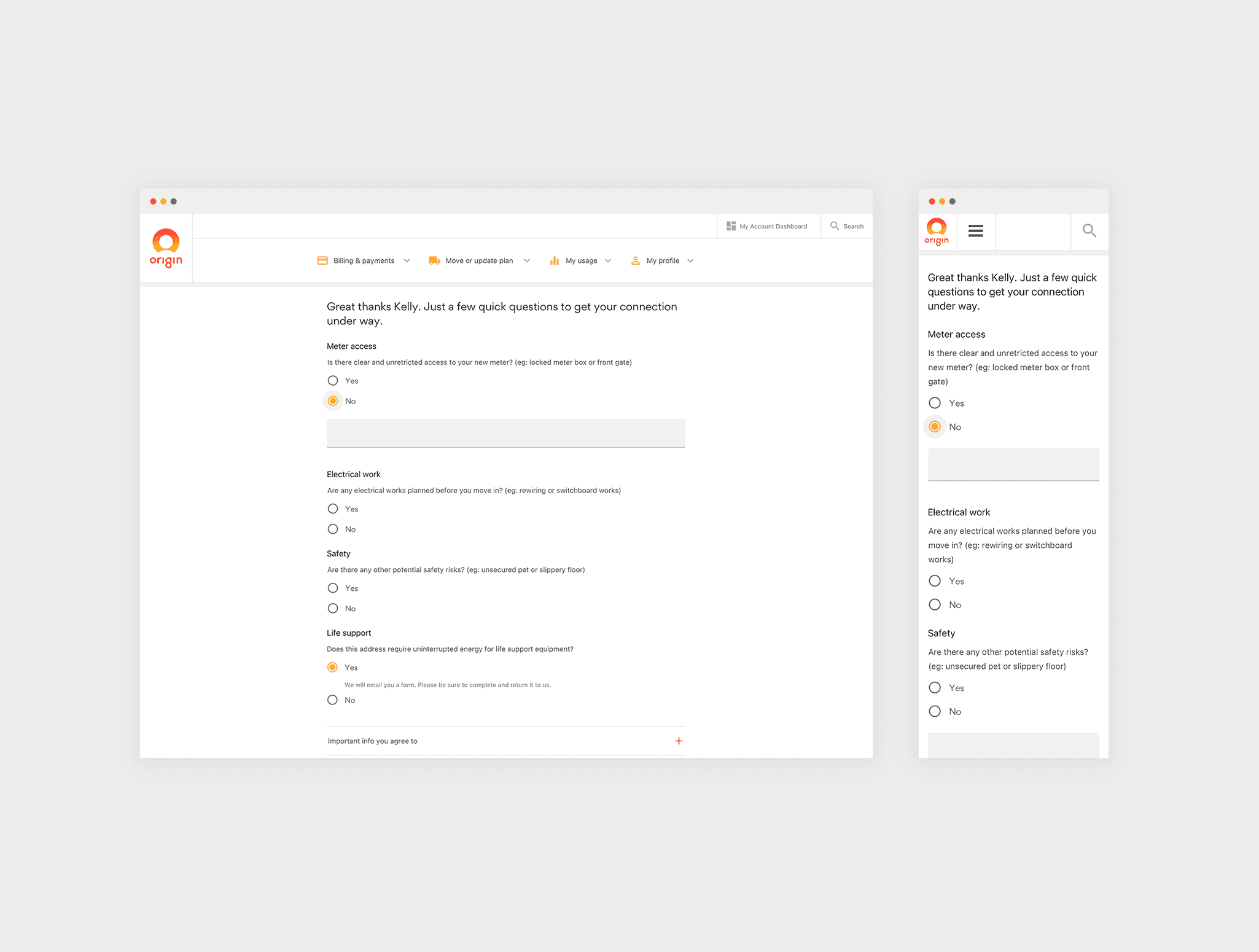
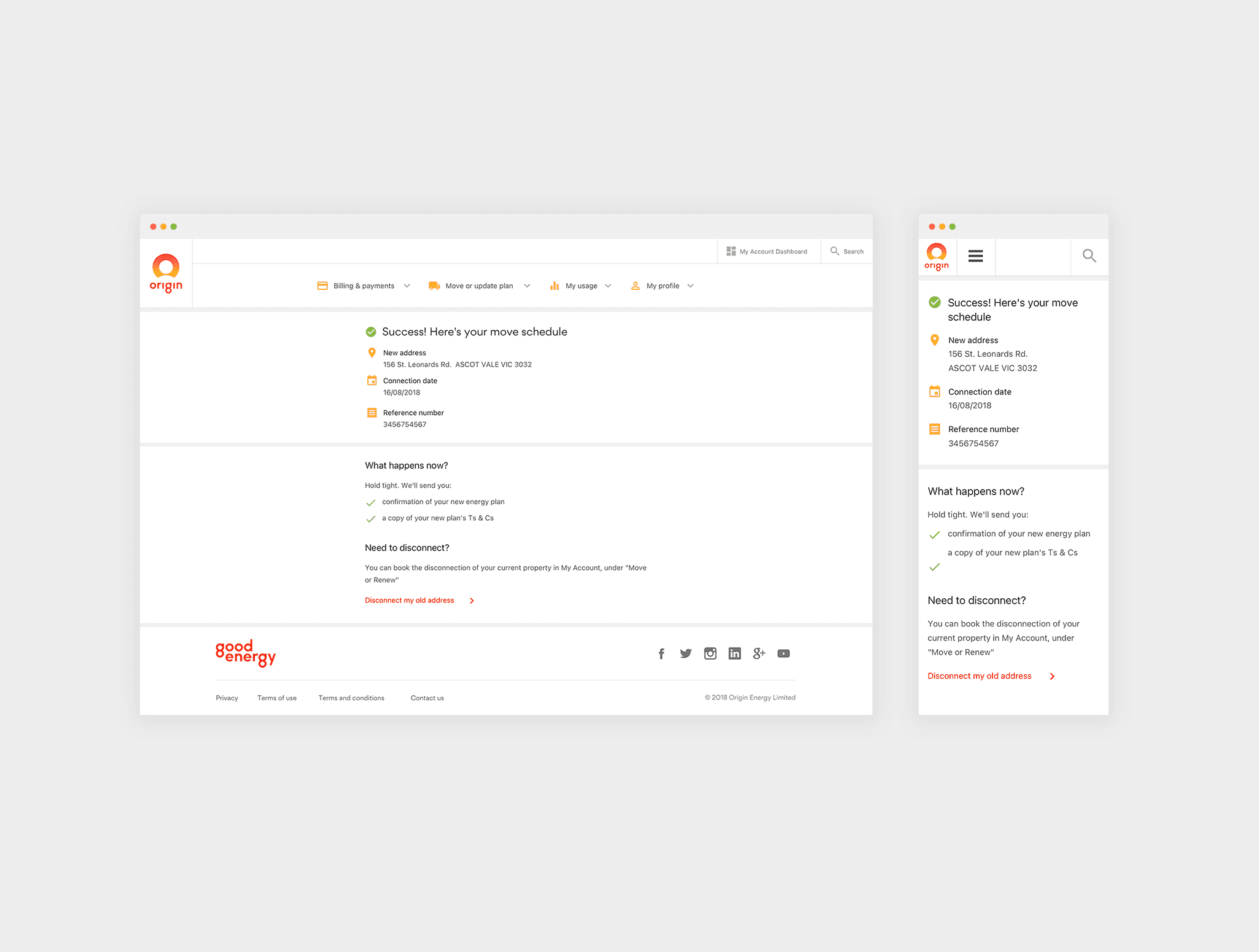
The existing web-based ‘Moving House’ journey was complex and multi-step, making it difficult for customers to complete tasks efficiently. The challenge was to streamline the process, reduce friction, and improve clarity while keeping all necessary service and compliance information intact.
Approach
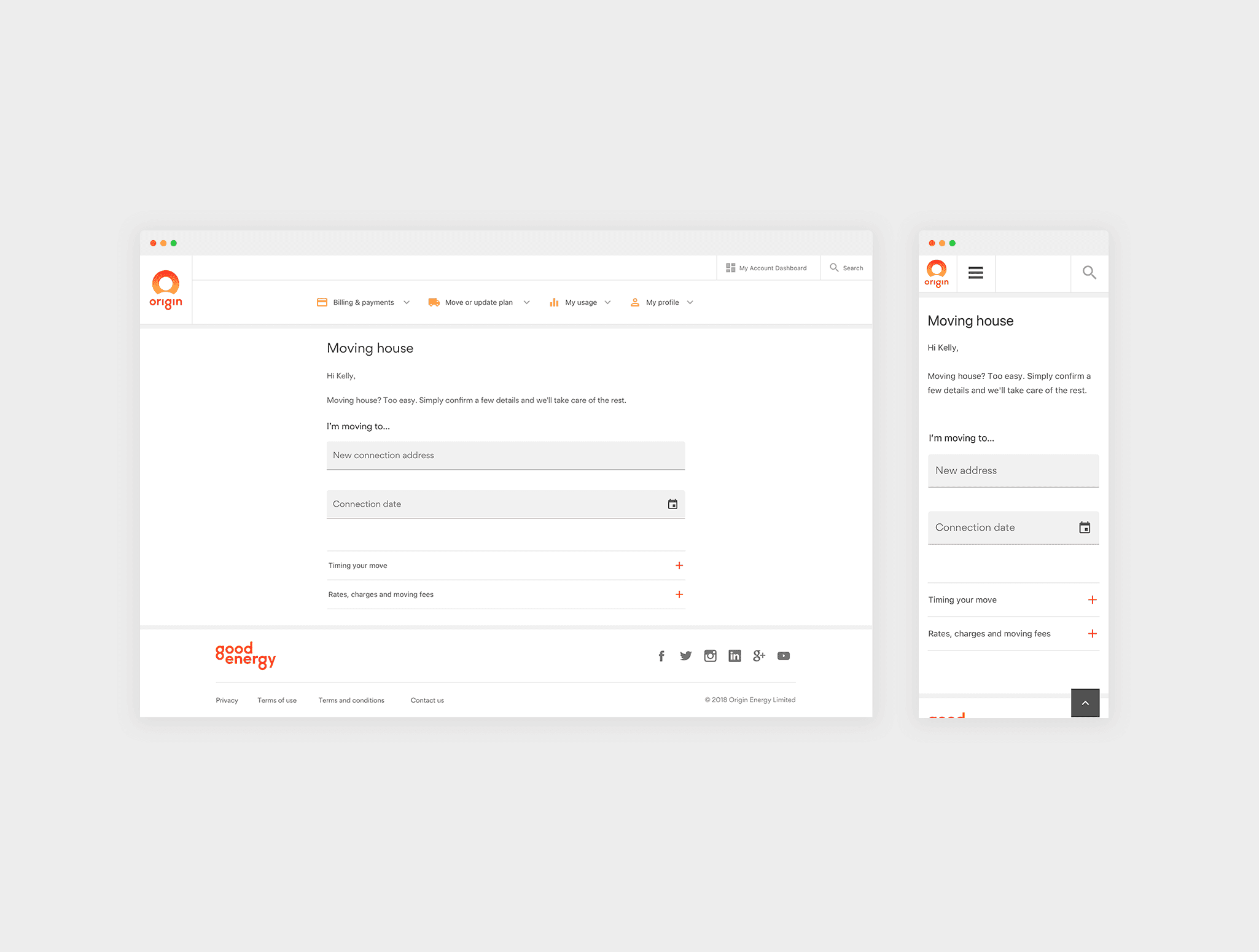
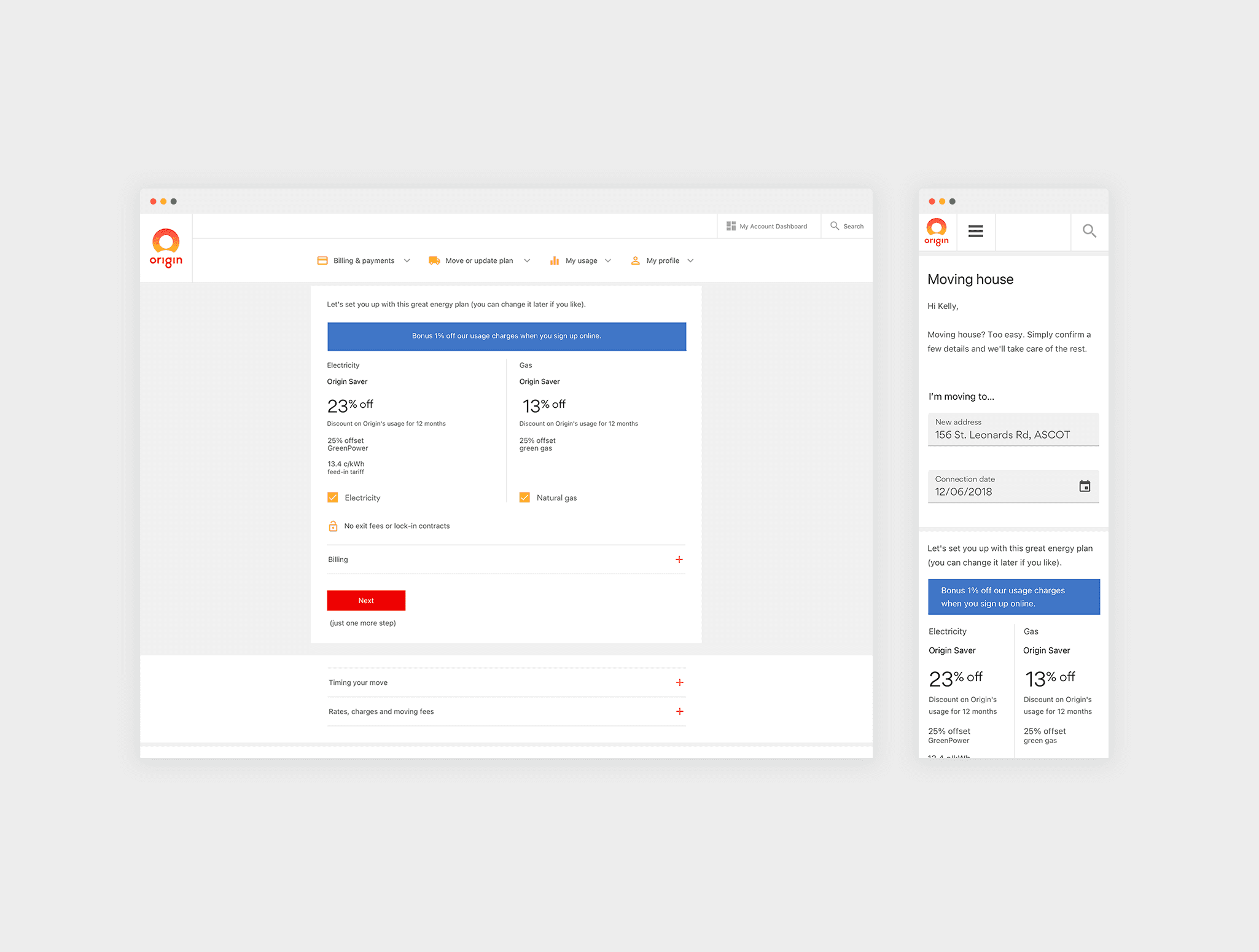
I redesigned the moving house flows by:
Mapping the complete customer journey from start to finish
Translating content and tasks into clear, mobile-friendly steps
Designing forms, progress indicators, and micro-copy for usability
Iterating on wireframes and high-fidelity mock-ups to validate flow clarity
The design focused on guiding users intuitively, reducing errors, and making the process feel straightforward and approachable.
Result
Provided a more intuitive, streamlined experience for customers
Increased confidence among stakeholders that complex flows could be simplified without losing essential information
Established a template for future multi-step service journeys on the web
Challenge
The existing web-based ‘Moving House’ journey was complex and multi-step, making it difficult for customers to complete tasks efficiently. The challenge was to streamline the process, reduce friction, and improve clarity while keeping all necessary service and compliance information intact.
Approach
I redesigned the moving house flows by:
Mapping the complete customer journey from start to finish
Translating content and tasks into clear, mobile-friendly steps
Designing forms, progress indicators, and micro-copy for usability
Iterating on wireframes and high-fidelity mock-ups to validate flow clarity
The design focused on guiding users intuitively, reducing errors, and making the process feel straightforward and approachable.
Result
Provided a more intuitive, streamlined experience for customers
Increased confidence among stakeholders that complex flows could be simplified without losing essential information
Established a template for future multi-step service journeys on the web
Challenge
The existing web-based ‘Moving House’ journey was complex and multi-step, making it difficult for customers to complete tasks efficiently. The challenge was to streamline the process, reduce friction, and improve clarity while keeping all necessary service and compliance information intact.
Approach
I redesigned the moving house flows by:
Mapping the complete customer journey from start to finish
Translating content and tasks into clear, mobile-friendly steps
Designing forms, progress indicators, and micro-copy for usability
Iterating on wireframes and high-fidelity mock-ups to validate flow clarity
The design focused on guiding users intuitively, reducing errors, and making the process feel straightforward and approachable.
Result
Provided a more intuitive, streamlined experience for customers
Increased confidence among stakeholders that complex flows could be simplified without losing essential information
Established a template for future multi-step service journeys on the web